
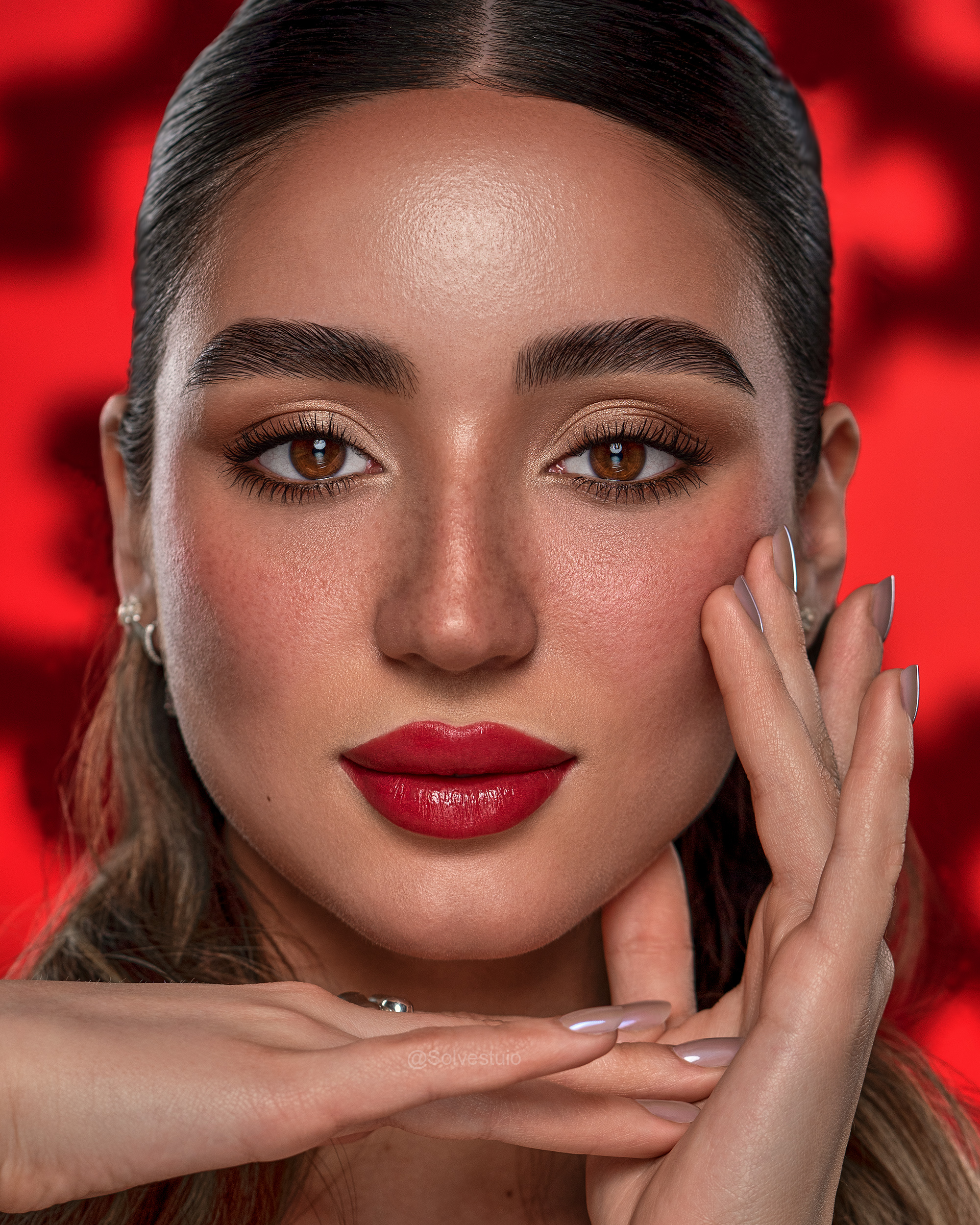
High-level beauty content is not created by chance.
It’s built through control.
Lighting is what defines how skin looks, how depth is perceived, and how your work is judged at first glance. Most creators focus on the camera, but the real difference is in how light is placed and controlled.
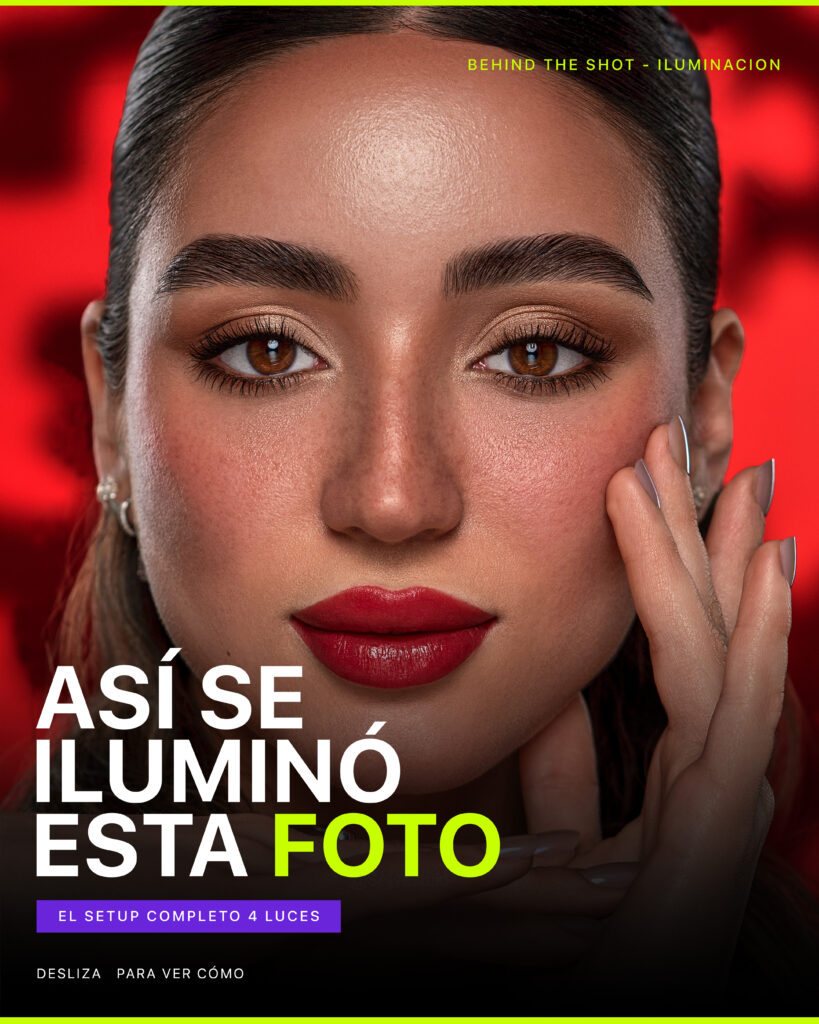
Here are 5 lighting systems to help you create stronger, more intentional beauty content.
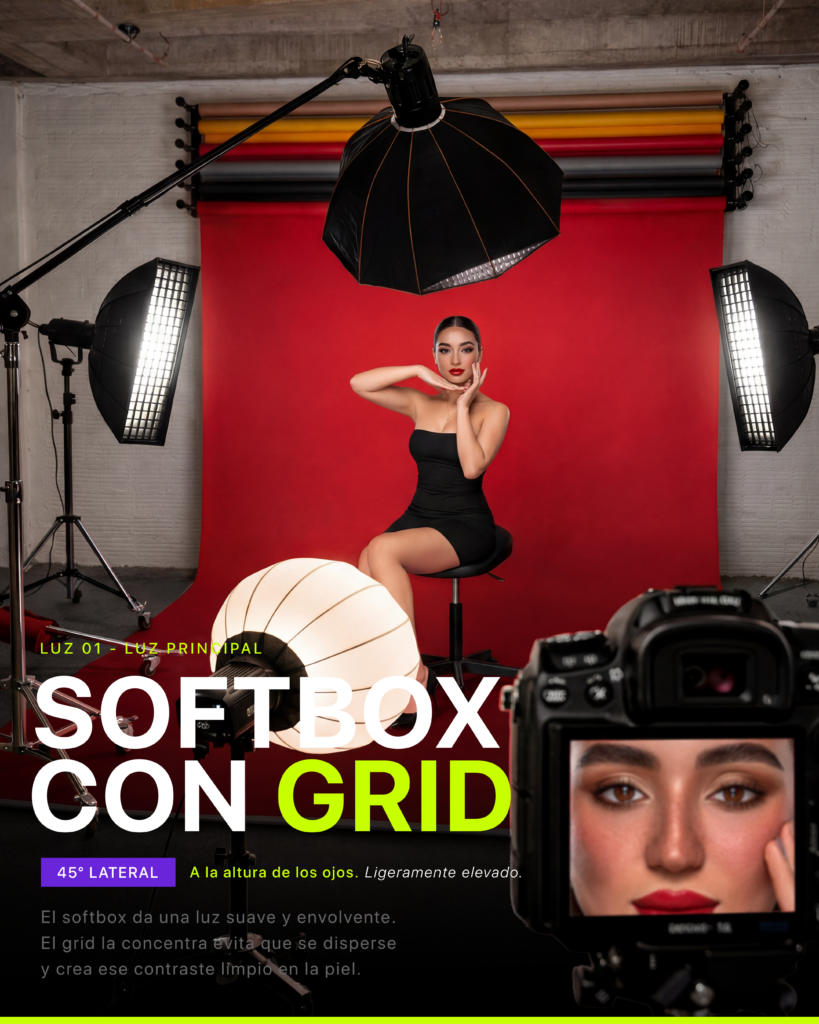
1. Direct Light Control
Direct lighting is one of the most aggressive and revealing setups. It creates strong contrast and brings out every detail in the skin.
Place your light directly in front of the subject, slightly angled downward. This positioning allows the light to hit the face evenly while still creating controlled shadows.
This setup works best for editorial beauty, bold looks, and product-focused content where texture matters.
It communicates strength, intention, and clarity.
2. Structured Light (Rembrandt)
Structured lighting is about shaping the face without losing softness. It creates dimension while keeping the skin natural and clean.
Position your light at a 45° angle from the subject, slightly above eye level. This creates a natural shadow pattern that adds depth to the face.
This is ideal for portraits, beauty services, and personal branding where you want to look defined but still approachable.
It communicates control, precision, and professionalism.
3. Beauty Light (Clamshell)
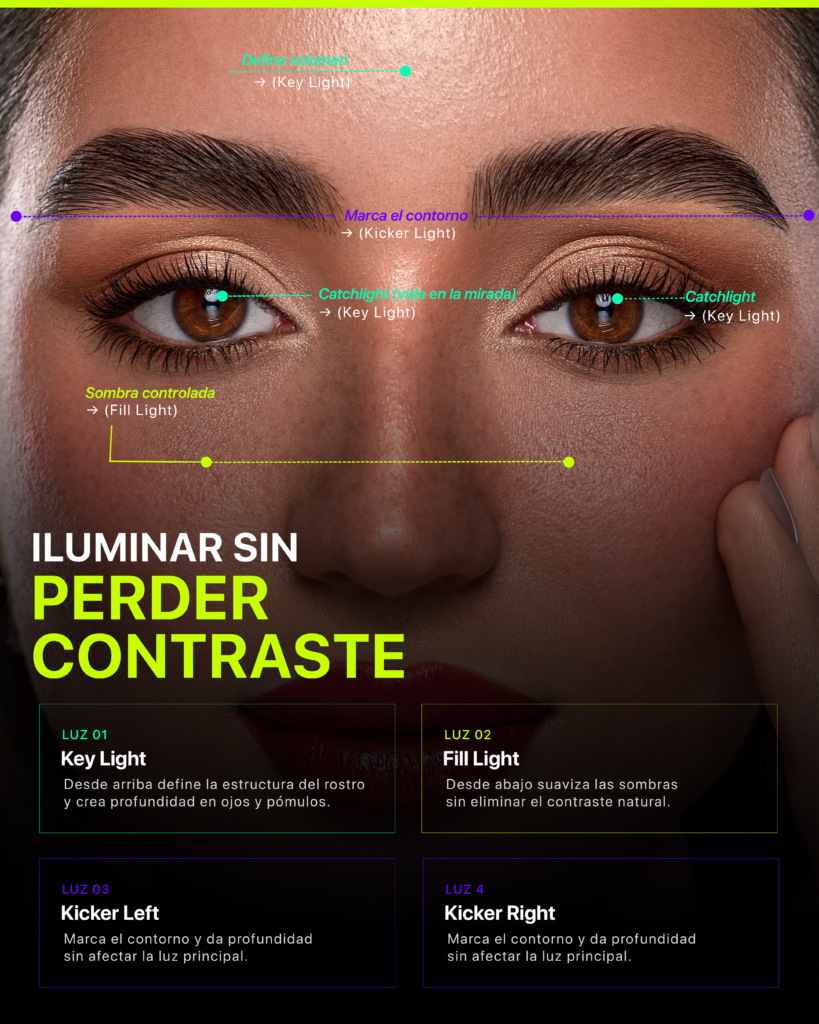
This is one of the most used setups in beauty because of how it treats the skin. It minimizes imperfections and creates a smooth, even look.
Place your key light above the subject and a fill light below. This combination removes harsh shadows and balances the light across the face.
It’s perfect for PMU, skincare, and close-up shots where skin quality is the focus.
It communicates cleanliness, detail, and refinement.
4. Edge Light + Depth
Separation is what makes an image feel three-dimensional. Without it, the subject blends into the background.
Use back or edge lights behind the subject, combined with a controlled front light. This creates a subtle outline that separates the subject and adds depth.
This setup works well for campaigns, fashion, and brand shoots where you want a stronger visual presence.
It communicates depth, structure, and intention.
5. Color Control (RGB
Color adds emotion and identity to your images. It transforms a simple shot into something visually striking.
Use a key light for the subject and a colored light for the background. This allows you to control both the subject and the environment independently.
This is ideal for ads, creative shoots, and social content where attention matters.
It communicates creativity, modernity, and visual impact.
Conclusion
If you understand light, you control how your work is perceived.
And when you control perception, you change the value of what you create.
This is the difference between posting content…
and creating work that stands out.